The next chapter for the arts sector starts with one question: “What do you need?”
A new model for the arts sector
Arts organizations have spent decades pursuing a shrinking pool of traditional patrons. But what if the market is bigger than the category?
People aren’t looking for arts events. They’re looking for connection, restoration, belonging, escape, and experiences that make life feel richer.
The opportunity is to stop defining the market by what arts organizations produce—and start defining it by the progress people are trying to make in their lives.
That’s how arts organizations rebuild relevance, grow revenue, and reach beyond their loyal patron base.
-
“By implementing the customer-first model, we more than doubled attendance at a recent concert compared to our past season’s average.”
George Fergus, Artistic Director, Musica Atlantica
-
"Since our rebrand, Seraphim has more than doubled its audience over the past four seasons.”
Daryl Bichel, Seraphim, Board President
-
"Ruth has an extraordinary vision for arts marketing, and the arts sector needs it now."
Mark Schaefer, Author of Marketing Rebellion and Belonging to the Brand
-
"Ruth ignited our marketing, development, programming and venue hire teams with tangible recommendations that will play a critical role in our next chapter."
Latoyah Forsyth, Head of Marketing and Visitor Experience, Melbourne Recital Centre
-
“Nearly 1,100 people took part in our inaugural weekend! The turnout exceeded all expectations and I am so grateful for your actionable teachings.”
Tekla Cunningham, Founder, Seattle Bach Festival
-
"I turned the camera outward—and was awarded the full grant amount I asked for. I've found a new energy in tackling grants from this customer-centric paradigm."
John Wilson, Director of Cultural Arts, Jewish Community Center of Saint Louis
-
"This may well be the salvation that audience-hungry arts marketers are searching for."
Trevor O’Donnell, Author of Marketing the Arts to Death
-
"An incredible thought leader. Ruth's insight is what we need to hear as a sector right now. "
Sarah Weber, Executive Director, Association of California Symphony Orchestras
-
"So grateful that Ruth is not only putting the Jobs to Be Done framework out there, but also providing illustrations on how to enact it."
Timothy Myers, Music Director, Austin Opera and Music Director, Spoleto Festival USA
ABOUT RUTH
From opera to innovation strategy
A former opera singer who’s spent nearly a decade immersed in innovation frameworks, Ruth Hartt is tackling the most urgent problem in the arts: a business model that was built for yesterday’s world.

Latest thinking
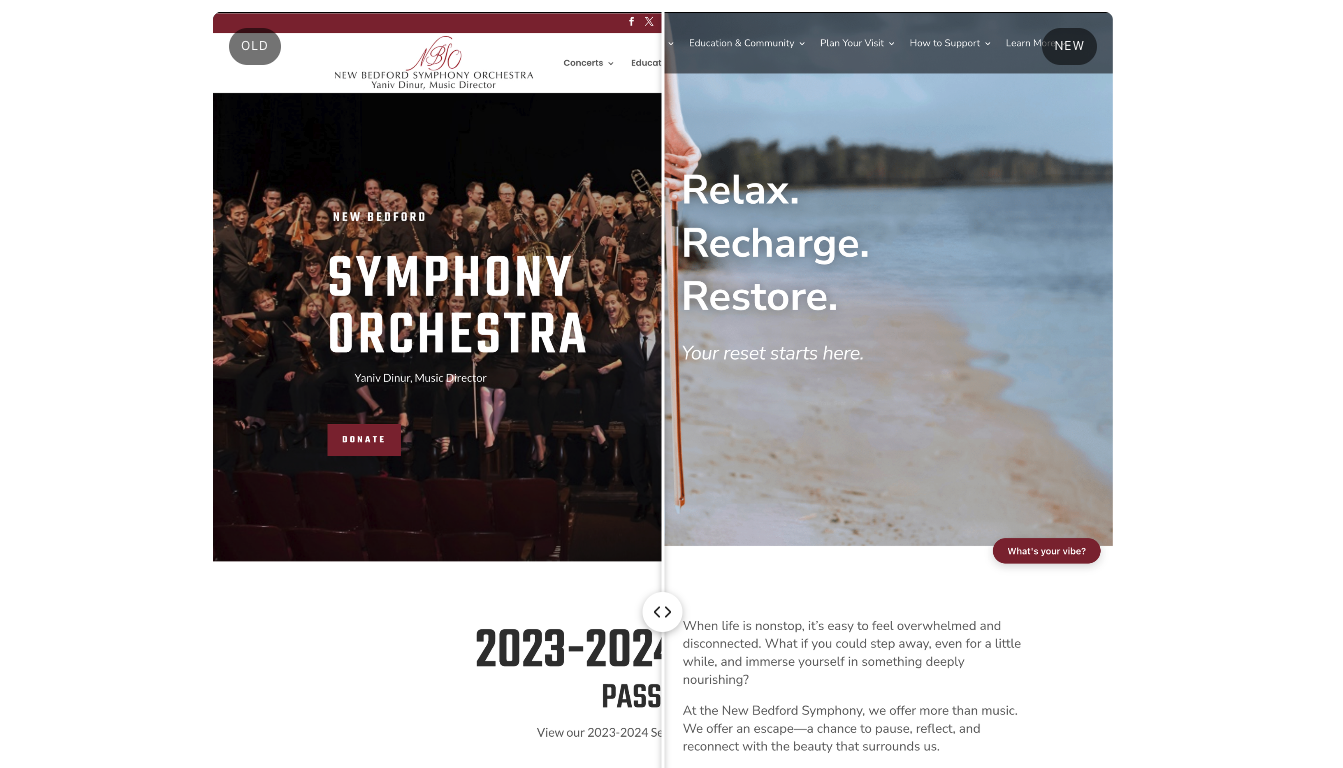
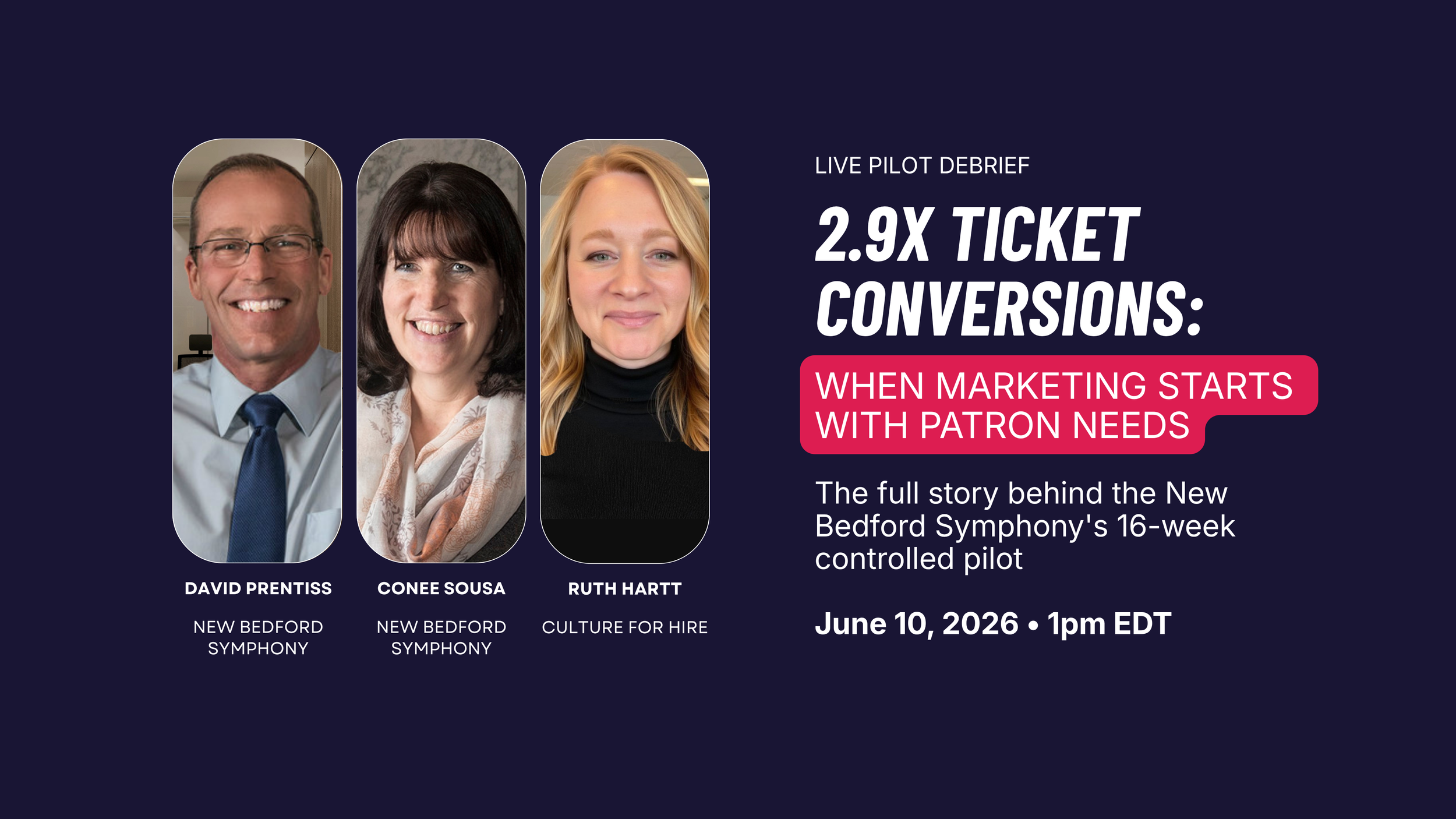
Can need-based intelligence increase engagement and drive higher ticket sales? A 16-week controlled test at the New Bedford Symphony.
This happens a lot. A demand-side insight surfaces in the sector, and the product-centric model absorbs it back into the same logic it's always run on.
BSO's 40% audience decline isn't a conductor problem or a financial problem. It's a business model problem. Here's what the data says—and why no conductor search fixes it.
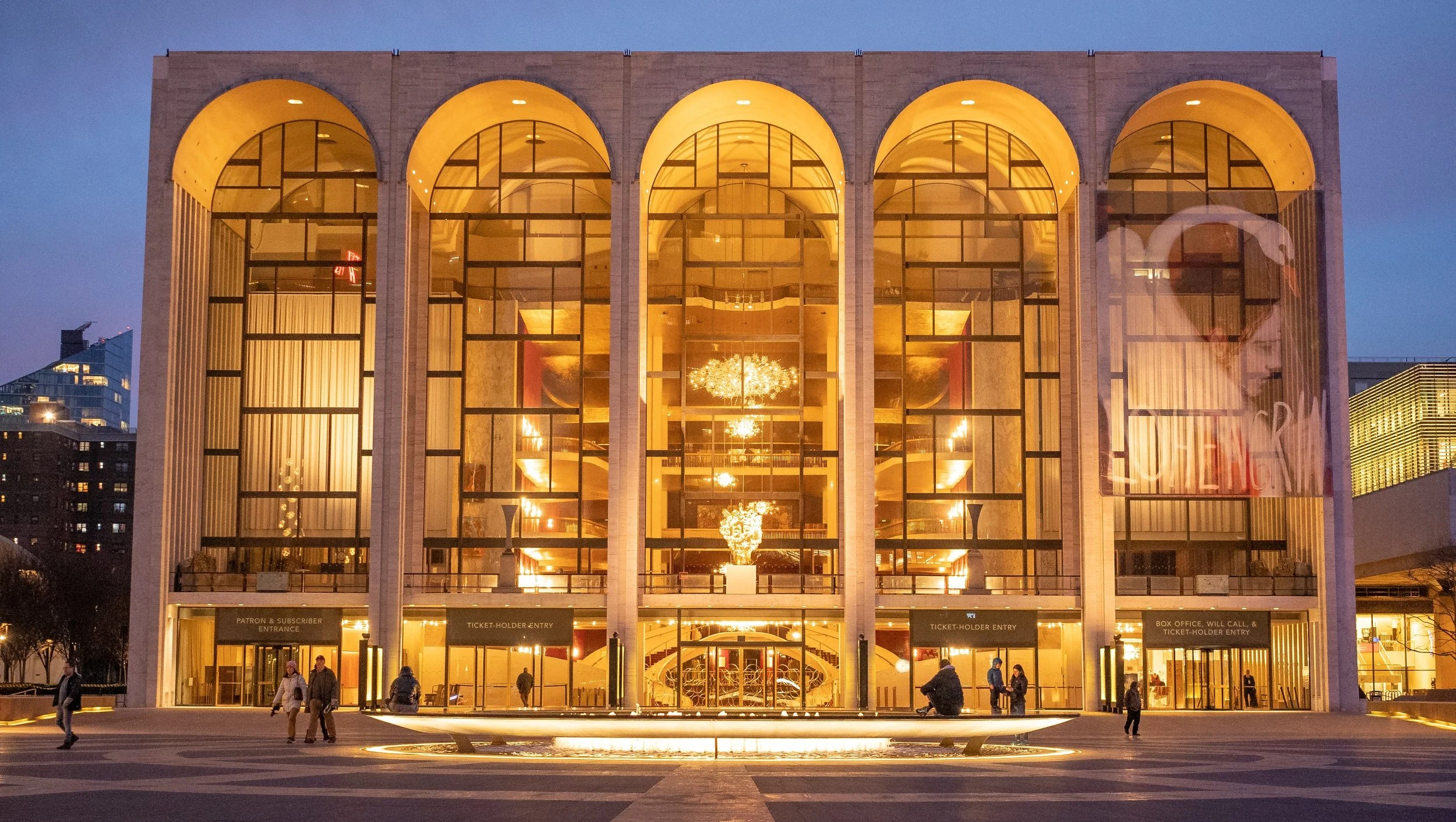
The Met is in the New York Times again, searching for another solution to its financial crisis. This time, they brought in BCG.
Arts organizations aren't naturally resistant to change. But it feels that way, right? And it’s all too easy to assume that it’s a leadership problem. But it’s the model that creates inertia.
The moment you frame the sector's problems as structural, your board stops offering tactical fixes and starts asking the right questions.
What if arts patrons aren't inherently different? What if the traditional arts model makes them behave differently?
We’re living through the biggest data shift in 20 years, and it's forcing a reckoning for arts leaders: know your audience deeply, or lose them to organizations that do.
CEO: Ok, our stewardship is dialed in. Appreciation events, welcome gifts, the works. But donations are stuck. What’s your take?
New CMO: Don’t kill the messenger, but we’re playing one giving game when there are actually two.
It’s mid October. Your patrons are about to face one of their biggest holiday season frustrations: finding the perfect gift. Here are five consumer studies you need to know.
Personalization is billed as marketing’s holy grail. But most of what the industry calls “personalization” isn’t personal at all — it’s shallow behavioral tailoring, and consumers know it.
Forward-thinking organizations are applying universal design principles to their entire organizational structure, recognizing that inclusive design fosters innovation that benefits everyone.
For decades, arts leaders have been told to focus on people who already love the arts. Here's why that advice is limiting growth.
The headlines are exciting. "Arts sector grew at twice the rate of the total economy!" "We contributed $1.2 trillion to the GDP in 2023!" Here's what's actually happening.
If listening were a pipeline to attendance, our concert halls would be packed. They're not. Here’s why.
Golf didn't just stabilize a declining industry—they sparked record-breaking growth by making the sport accessible to people who never would have engaged before.
Most grant applications follow the same tired formula: Here's who we are, here's what we do, here's why we're great, here's why you should fund us.
Personalization without genuine customer understanding, says Gartner, can backfire. The solution? active personalization.